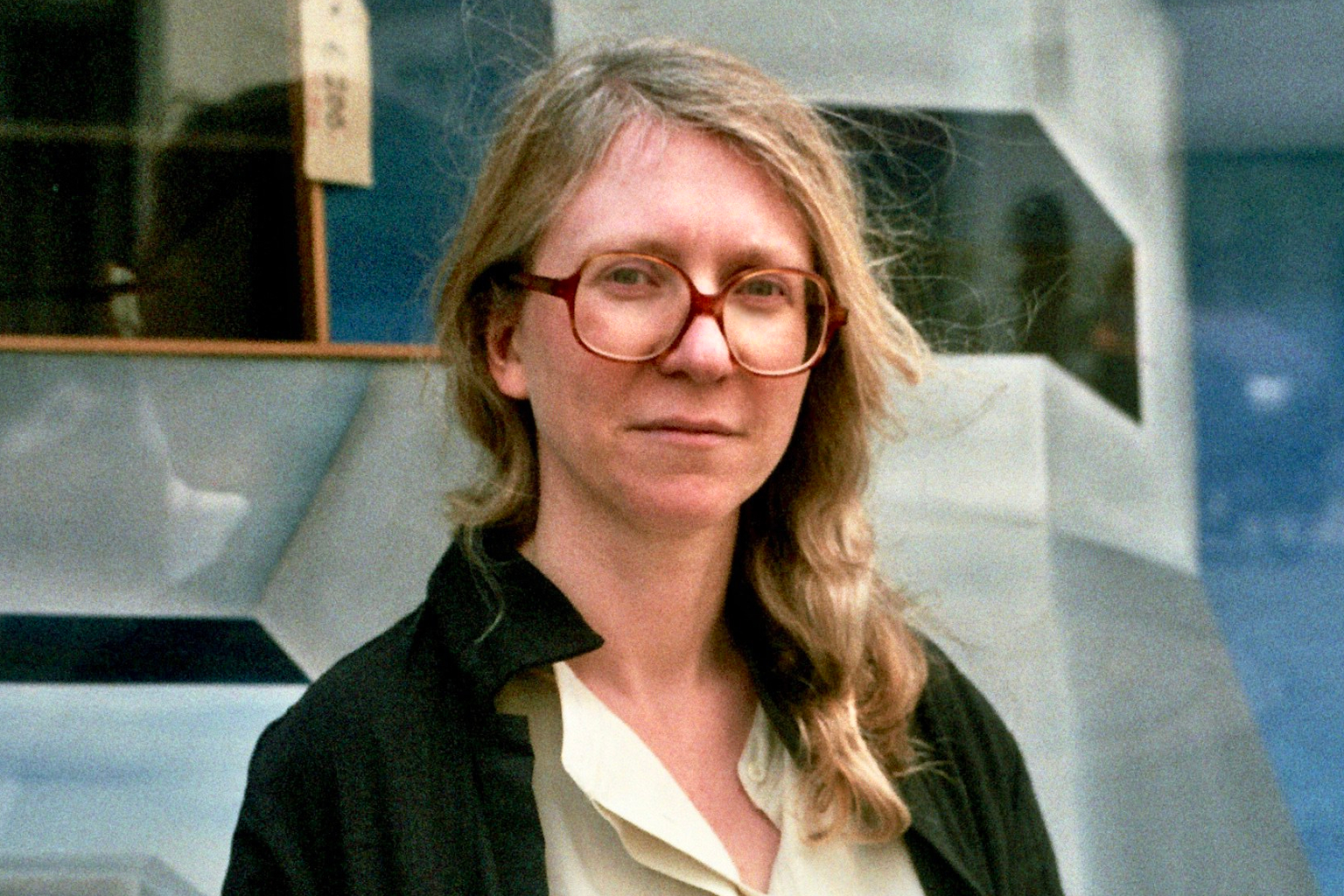
Toen ze twee jaar in een kunstenaarswoning in de Alpen woonde, werd de Franse avant-gardecomponist Félicia Atkinson een echt natuurmens. Stukjes uit de natuur die haar zo fascineert neemt ze mee naar haar hotelkamer, een steen of een takje. Of ze neemt de natuur gewoon op, als materiaal voor haar muziek. Toch was natuur niet het enige dat een belangrijke rol speelt op Atkinsons nieuwe album. Ze nam een groot deel van The Flower And The Vessel namelijk op terwijl ze zwanger was van haar eerste kind. Het album werd daardoor een zoektocht naar het antwoord op de vraag hoe we moeten zorgen voor mens en natuur, en wat er gebeurt als je als mens iets toevoegt aan die natuur.
Tekst: Loulou Kuster
Foto’s: Stine Sampers
“The Flower and the Vessel is mijn meest ecologische album tot nu toe”, vertelt Atkinson in Antwerpen. “Ik ben heel erg een natuurmens geworden. In de Alpen werd ik overweldigd door de kracht van de bergen. Mijn tijd daar heeft me heel erg veranderd. Als ik nu tour, kijk ik waar de parken zijn en ga ik bewust op zoek naar natuur. Het observeren van planten, dieren en luchten is zo’n belangrijke inspiratiebron geworden voor wat ik maak. Op een bepaald punt in het proces was ik in de Pacific Northwest. Er viel zoveel regen en er waren talloze bomen. Het was alsof ik werd geabsorbeerd door de natuur. Ik werd gevangen door het romantische idee van hoe een mens kan verdwijnen in de natuur en vervolgens weer kan terugkomen in de ‘normale wereld’, het is net of je even stilstaat in de tijd. Als ik op tour ben neem ik ook altijd iets van de natuur mee. Tijdens shows heb ik vaak stenen bij me. Soms houd ik ze alleen maar in mijn hand, soms gebruik ik ze ook daadwerkelijk. Dat geeft me een bepaald houvast, een gevoel dat ik een connectie heb met de natuur, waar ik ook ben.”
“Door naar iets kleins te kijken kun je het grote geheel begrijpen. Maar ook door iets kleins te ondernemen, kun je een groter doel bereiken.”
“Tijdens het opnemen heb ik me vaak afgevraagd wat er gebeurt als je iets toevoegt aan de natuur. Dat kan een kunststuk zijn, muziek, of in mijn geval ook mijn baby. Die vraag zit ook in het album verwerkt, als onbedoelde rode draad. Het werk en het leven van (de Franse auteur en regisseur, red.) Marguerite Duras heeft ook veel voor me betekent. De Pacific heeft veel voor haar betekent, omdat ze is opgegroeid in Indochina. Ik ken de Pacific ook, maar dan van de andere kant, omdat ik vaak in Oregon en Noord-Californië ben. Toch voel ik haar aanwezigheid dan op een bepaalde manier. In november was ik in Kerala in India en ik herinner me dat we op een boot door de regen voeren en het net was alsof ik in een van haar boeken terecht kwam. Dat is ook weer losjes verwerkt in de plaat. In de film India Song die zij heeft gemaakt zat een liedje dat ik maar niet uit mijn hoofd kreeg. Dat stukje zit ook in het nummer ‘India Song’ op mijn album, als directe referentie naar Duras. Als tiener ontdekte ik haar boeken en ik werd meteen gegrepen door haar teksten. Ze hielpen me om mezelf te kunnen worden, maar ook om een vrouw te kunnen worden. Ze heeft een bepaald soort kracht in haar pen waardoor ze precies kan omschrijven wat er in je hoofd omgaat.”
Niet alleen de vraag wat het doet om iets toe te voegen aan de natuur was een belangrijk vraagstuk voor dit album. The Flower and the Vessel is voor Atkinson ook een feministische plaat. “Ik heb proberen te onderzoeken hoe je bepaalt wie je bent, als mens, maar vooral als vrouw. Hoe kun je erkennen wie je bent? Hoe kun je jezelf opsplitsen in verschillende posities? Wat is het om één te zijn? Wat is het om meerdere te zijn? Een kind krijgen is natuurlijk ook een vorm van jezelf opsplitsen. Ik ben er nog niet achter gekomen en ik zal er nooit achter komen, maar door muziek te maken en te componeren kom ik steeds dichterbij antwoorden. Het gaat ook om de ervaring, om verschillende dingen te proberen om te kijken of je erachter komt. Ik denk dat dat me in het leven ook het meeste boeit: hoe een vraag een ervaring wordt. Dus ik krijg nooit een antwoord op de vraag wie ik ben als vrouw, maar ik heb ervaringen en het is wel degelijk mogelijk dat die ervaringen de antwoorden zijn. Ik geloof ook heel erg in het idee van microkosmos en macrokosmos. Door naar iets kleins te kijken kun je het grote geheel begrijpen. Maar ook door iets kleins te ondernemen, kun je een groter doel bereiken. Dit album is misschien iets kleins dat ik heb toegevoegd aan de wereld, maar het draagt bij aan het grotere geheel.”

Doordat een vriendin van Atkinson per ongeluk in een kringloopwinkel op een doe-het-zelf-boek uit de jaren 60 over Ikebana stuit en het aan Félicia laat zien, raakte ze geïnspireerd door de filosofie van Ikebana, waarbij symmetrie en harmonie tussen natuur en materiaal belangrijk zijn. Om haar album op te bouwen gebruikt Atkinson de filosofie van de Japanse bloemschikkunst. “Bij ikebana kun je ronddwalen door straten of parken en als je een mooie bloem ziet die je kunt plukken, neem je die mee om hem later te verwerken in je stuk. Zolang er maar een bepaalde samenhang is tussen het materiaal. Ik maak mijn album eigenlijk als ikebana. Als ik door de straten slenter, in de bergen ben of door een park loop en iets moois hoor, dan neem ik dat op en kan ik het in een nummer verwerken. Het zijn allemaal losse flodders die later iets met elkaar te maken krijgen. Ik neem ook muziek op in een professionele studio, maar juist die afwisseling werkt het best voor mij en mijn muziek. De gamelan die je op het album hoort zijn bijvoorbeeld ook opgenomen met een iPad-app. Ik vind die apps zo fascinerend, want je kunt het geluid op veel verschillende manieren transformeren tot je precies hebt wat je wil. En er is zo veel audiofetisjisme in deze tijd, je moet alles met super dure apparatuur opnemen, men heeft de allerduurste synthesizer en alles wordt opgenomen in de meest luxe opnamestudio’s, maar eigenlijk hebben we alles digitaal. Tegelijkertijd heb ik zelf ook wel een aantal dingen opgenomen in dure studio’s, zo hou ik een bepaalde balans. Het gebruik van een gamelan was ook belangrijk voor mij, het heeft zo’n bijzondere en belangrijke rol in de Franse muziekgeschiedenis gehad. Dat vind ik ook juist zo grappig: Debussy hoorde ooit de gamelan in Indonesië en het raakte hem enorm. Nu heb je de gamelan gewoon overal in je handtas zitten. Er wordt weleens kritiek geleverd dat mensen op deze manier muziek maken, maar dat vind ik eigenlijk heel bekrompen. Ik vind dat hetzelfde als dat je tegen een schrijver zegt dat hij geen echte schrijver is, omdat hij zijn boek op de computer heeft geschreven en niet met een echte pen. We leven inmiddels in 2019 en dingen veranderen nou eenmaal, dat dit nu kan vind ik prachtig.”
“Mannen stelen zo vaak dingen van andere artiesten en niemand die het echt wat uit maakt. Ik heb het gevoel dat zodra je dat als vrouw doet, je meteen een slechte student bent.”
Voor Atkinson is het belangrijk om af en toe terug te gaan naar waar haar muziek vandaan komt. Veel invloeden komen van de Franse muziek die ze als kind hoorde, van Eric Satie en Claude Debussy. Nog regelmatig luistert ze dagen naar de Franse componisten en analyseert ze hun muziek door mee te lezen met hun bladmuziek te lezen. “Satie is eigenlijk meer badass dan Debussy. Het grappige is dat Satie ook heel erg speelt met zijn bladmuziek, dan staat er in de kantlijn bijvoorbeeld: “speel op een vreemde manier” of “speel met een afstand op de piano”. Ik vind dat geweldig. Wat ik mooi vind aan Debussy is dat hij landschappen in je hoofd creëert als je naar zijn muziek luistert. Die landschappen probeer ik ook te maken in mijn muziek. Ik zie mijn muziek meer als een landschap dan als een verhaal. Het is net als met schilderen, je gaat naar een bepaalde plek en je ziet een landschap, daar kijk je naar, je verwerkt het en vervolgens maak je er een logisch geheel van. Als ik muziek componeer probeer ik het op diezelfde manier te doen, ik probeer een bepaalde logica te vinden in de geluiden die ik heb en daar maak ik een landschap van.”


Die landschappen maakt Atkinson niet alleen door geluiden die ze vindt op te nemen en te gebruiken, maar ook door gedichten te verwerken in haar muziek. Niet alleen haar eigen poëzie, maar ook die van anderen is terug te horen op The Flower And The Vessel. “Muzikanten gebruiken altijd een hoop van andere artiesten, al dan niet bewust of onbewust. Als je bijvoorbeeld naar Serge Gainsbourg luistert, hoor je daar zoveel Chopin in terug. Een tijd terug las ik de biografie van (de experimentele Amerikaanse schrijfster, red.) Kathy Acker waarin stond hoe ze stal van iedereen. Dat zette me aan het denken, bijvoorbeeld vanuit een feministisch perspectief. Mannen stelen zo vaak dingen van andere artiesten en niemand die het echt wat uit maakt. Ik heb het gevoel dat zodra je dat als vrouw doet, je meteen een slechte student of iets dergelijks bent. Ik leen ook liever een stukje van iemand dan dat ik het steel. Ik heb bijvoorbeeld ook bijna per ongeluk een stukje tekst van David Antin gebruikt. Ik deed research voor een boek waardoor ik het werk van David Antin aan het lezen was en op een gegeven moment las ik in zijn notitieboekjes in het Getty Center in Los Angeles. Daar werd ik zo geraakt door een stukje wat als volgt ging: “Turning, turning the way birds do, one by one”, dat ik dat vervolgens heb opgeschreven in mijn eigen notitieboekje. Toen ik daar later doorheen bladerde voor toen ik de teksten voor The Flower And The Vessel aan het schrijven was, vond ik het nog steeds zo mooi dat ik het heb gebruikt als een eerbetoon aan hem.”
Niet alleen leent Atkinson van andere mensen, voor de laatste track van haar album is ze een samenwerking aangegaan met Stephen O’Malley, onder andere gitarist van drone metalband Sunn O))). Een combinatie die niet per se voor de hand lijkt te liggen. “Ik luister zelf veel naar rockmuziek en ik wilde ook eigenlijk wel wat gitaar op mijn album, maar zelf speel ik helemaal geen gitaar”, legt Atkinson uit. “Stephen had een tijdje terug een plaat gereleased op ons label, Shelter Press, en niet veel later heeft hij mij benaderd om te vragen of ik in zijn radioshow op Red Bull Radio wilde komen. Hij vroeg of we dan een track konden opnemen, waar ik vervolgens mee mocht doen wat ik wilde. Dat was precies wat ik nodig had. Het maakproces van die track was geweldig. We zaten in zijn prachtige studio met allemaal coole instrumenten en goede microfoons. Ik speelde wat op keyboards en hij vond er dan gitaarriffjes bij, of andersom. Er zat alleen een tijdsdruk achter: het moest die dag af. Dat is voor mij heel ongebruikelijk, want ik kan soms een maand of een jaar doen over één track. Nu moest ik super gefocust aan de slag. Stephen heeft een fantastisch muzikaal gehoor, dus hij hoeft maar een klein ding te horen en hij weet al wat hij moet doen. Dat ik opeens ook een soundengineer en al deze dure apparatuur had om mee te werken was voor mij echt een luxe. Het is een bijzondere toevoeging geworden aan de plaat.”
The Flower And The Vessel is nu uit bij Shelter Press. Félicia Atkinson staat komende november op Le Guess Who? in Utrecht.